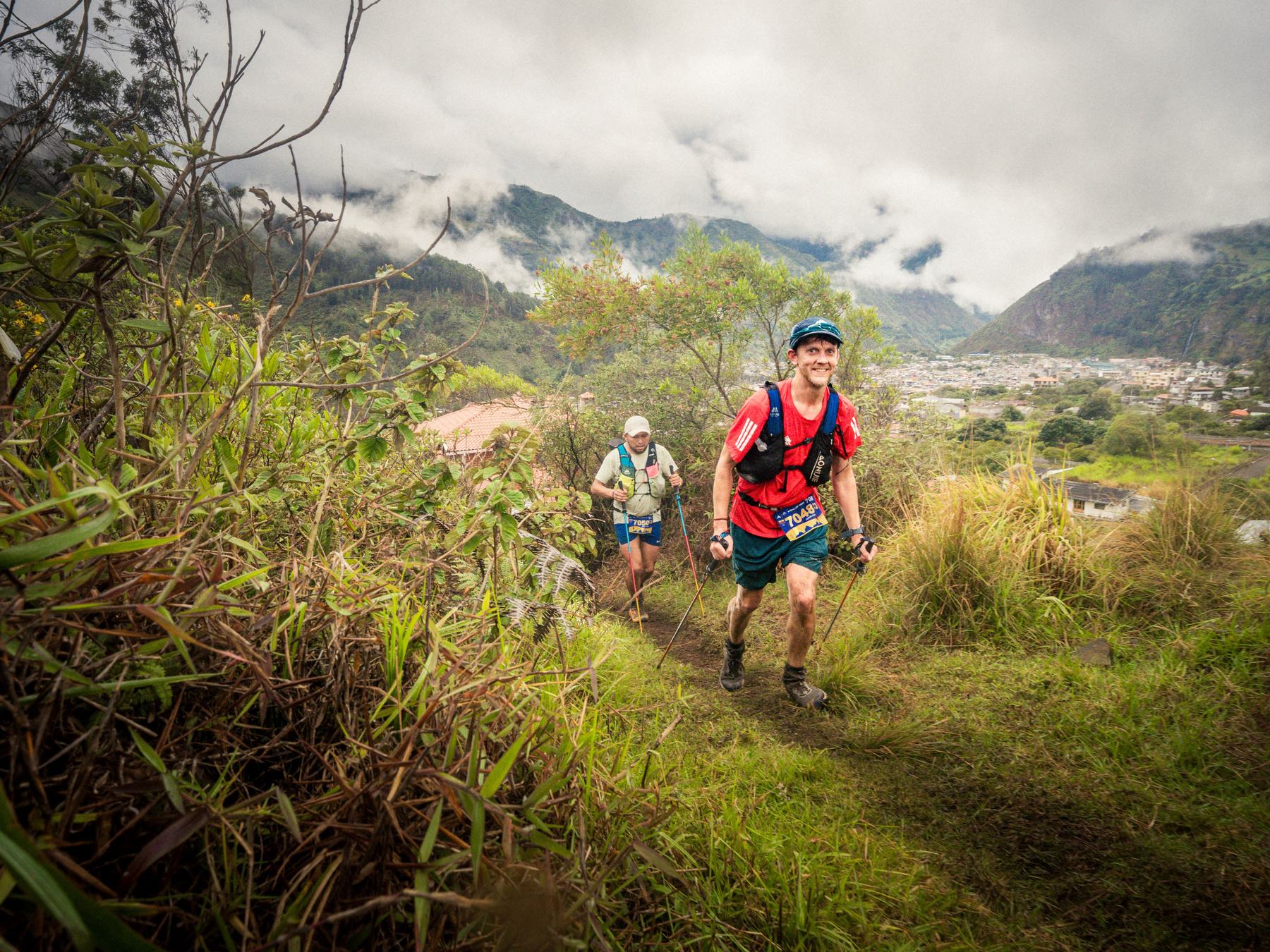
Cuenca, Ecuador | Remote work | Expat life

A quieter base for deeper work.

I'm a US-born software engineer based in Cuenca, Ecuador. I first moved here in 2015, returned in 2021, and work remotely with US teams from a practical base built around Spanish, focused work, mountain running, and a calmer rhythm.

Cuenca notes

The questions people usually ask me.

This is the most practical version of the page: the things a friend, coworker, or hiring manager would want answered quickly.

Can you work remotely? Yes. The UTC-5 timezone is one of the biggest advantages, with strong US overlap and a normal daily rhythm.
What does a workday look like? Mornings are for focused work and async updates; late morning through afternoon overlaps well with US teams. Exact hours depend on the team and role.
Do you need Spanish? You can survive with less, but Spanish changes everything. It makes errands easier, friendships deeper, and the country more accessible.
What is hard? Paperwork, uncertainty, imported-product costs, learning local systems, and not expecting everything to work like home.
What is worth it? The pace, language immersion, mountain access, food routines, lower pressure, and the feeling of building a life intentionally.

Why Cuenca

The city gives me focus without making life small.

Cuenca works because it combines reliable day-to-day routines with enough friction to stay awake: a different language, different systems, mountain weather, public markets, long walks, and a rhythm that rewards patience.

Remote work fit Stable overlap with US teams, predictable mornings, and a lifestyle that supports deep work instead of constant churn.
Language and culture Spanish is part of daily life, not a resume line. Markets, errands, neighbors, paperwork, and friendships all sharpen it.
Mountains close by Cajas, high-altitude roads, steep trails, and weekend routes make endurance training part of the environment.
Sustainable pace The city gives me room to work seriously, train hard, cook well, and avoid the burnout loop.

Daily life

A normal week here is simple in the best way.

Workday rhythm Mornings are for focused engineering work and async updates. Late morning through afternoon gives clean overlap with US teams without forcing a strange schedule.
Errands and markets Most weeks include market runs, neighborhood tiendas, pharmacy stops, bus or taxi rides, and a steady stream of real Spanish practice.
Training base Runs can be flat river paths, hill repeats, long road climbs, or bigger mountain days outside the city. Altitude is built into the routine.
Community Cuenca has enough expats to make landing easier, but it is still Ecuador. The best version of living here means participating, not hiding inside an English bubble.
Tradeoffs Paperwork takes patience. Systems are not always obvious. Imported goods can be expensive. You learn to ask better questions and slow down.

The move

Relocating was a systems problem with human stakes.

I first moved to Cuenca in 2015, spent three years back in the US, and returned in 2021, this time for good. The same skills I used to navigate residency, banking, healthcare, housing, translation, and rebuilding a life from scratch are the skills I bring to greenfield engineering work: research, sequencing, document handling, and the willingness to keep going when the next step is unclear.

01 Research the path Understand visa categories, document requirements, apostilles, translations, timing, and what needed local help.
02 Build local systems Find housing, set up practical routines, learn where to handle errands, and build a working life outside the old defaults.
03 Keep adapting Residency, banking, healthcare, language, and community all take iteration. You get better by staying engaged.

This page is personal experience, not legal or immigration advice. Rules change, and anyone moving countries should verify current requirements with official sources and qualified local professionals.

Places

The visual texture is part of why I stayed.

Cuenca is the base, but the surrounding country matters: highland towns, national parks, old streets, hard climbs, and small rituals that make a remote life feel grounded.
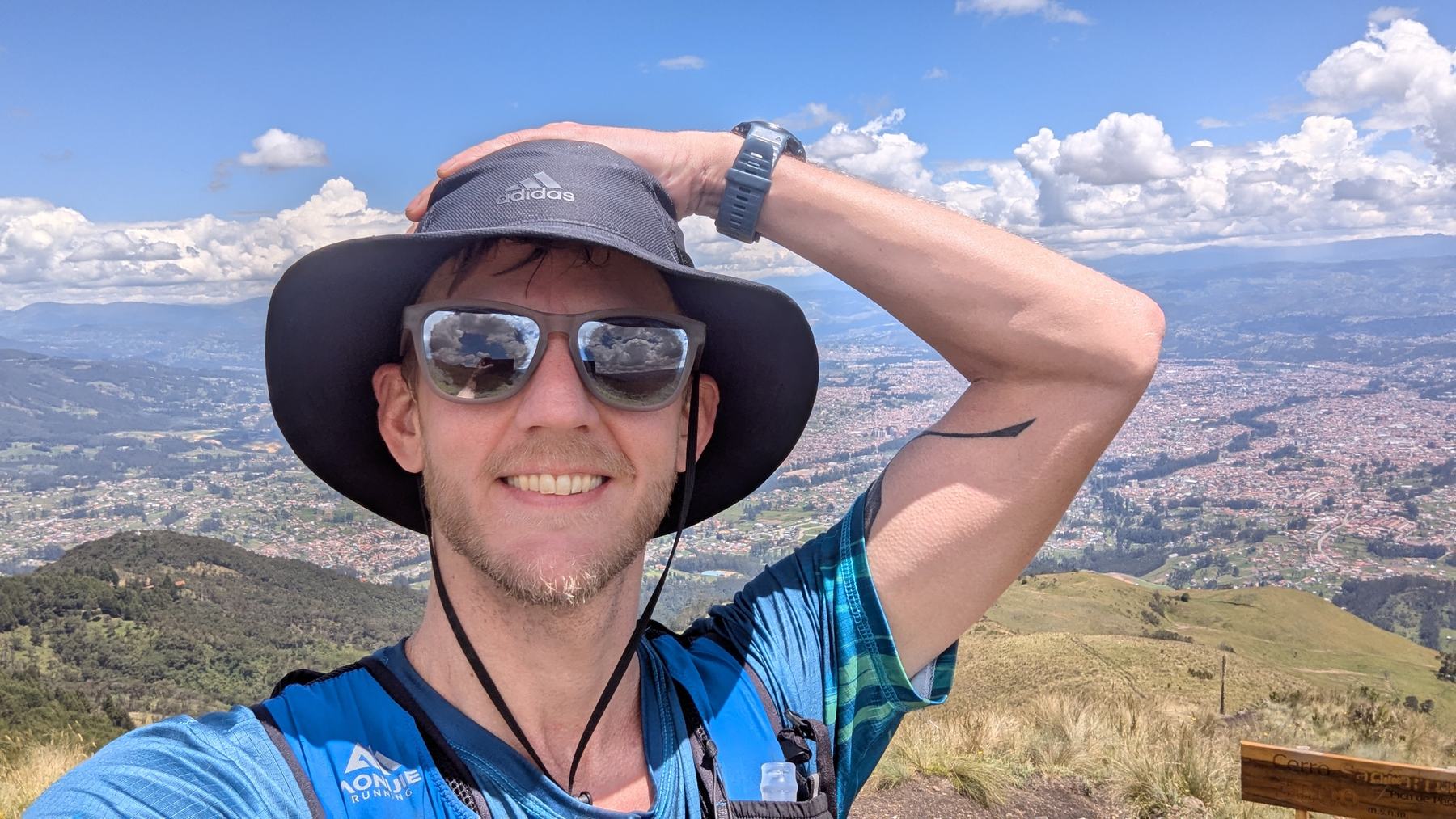
Travis Pence with Ecuador mountains behind him
Quiet highland daysSpace to think, cook, walk, and reset between work blocks.
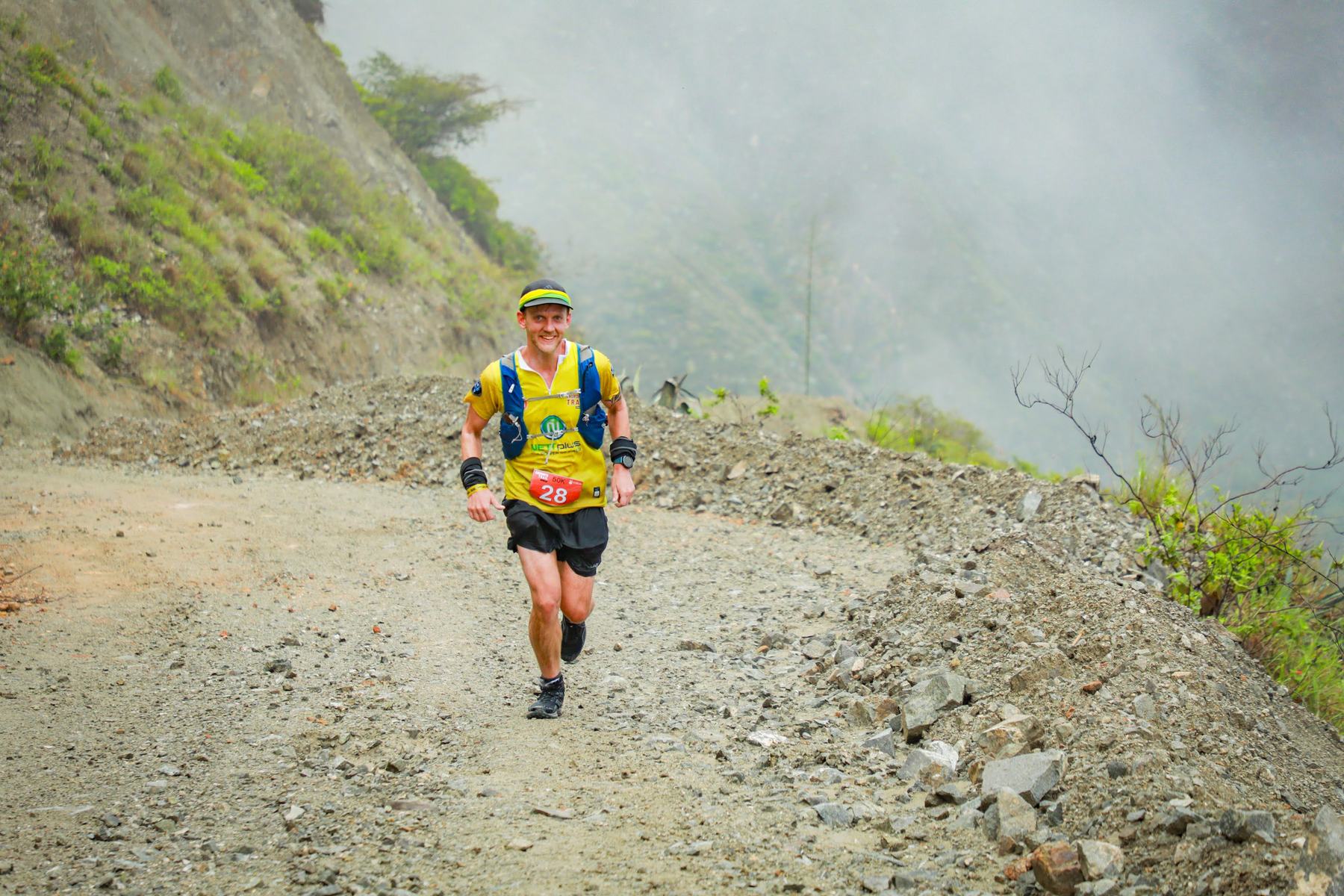
Mountain road and fog in Ecuador
Local rhythmHolidays, food, noise, weather, and neighbors make the place feel lived-in.
Trail route through Ecuador mountain terrain
Mountain gravityEven when I am coding, the Andes are close enough to shape the week.